Mining safety underground: an MHSA compliance guide
Most underground injuries in South African gold and hard-rock mines are not exotic. They come from fall of ground, from slips in water and mud, and from people standing where they should not be while support is removed. This guide sets out what the Mine Health and Safety Act expects, and the practical controls that hold up in an inspection.
1. What the MHSA actually asks of you
The Mine Health and Safety Act 29 of 1996 puts the primary duty on the employer: as far as reasonably practicable, provide and maintain a working environment that is safe and without risk to health. That duty is discharged through three linked documents — a hazard identification and risk assessment, a mandatory code of practice for each significant risk, and written standards and procedures that crews are trained against.
Inspectors rarely challenge the existence of these documents. They challenge the linkage: for a hazard listed in the risk assessment, can you show the control is installed, rated, inspected and understood by the crew on shift?
2. Fall-of-ground control and temporary support
Fall of ground remains the largest single cause of fatalities in hard-rock mining. Temporary support is the control, but the removal step is where people get hurt: a worker standing at the prop, under ground that is about to be de-supported.
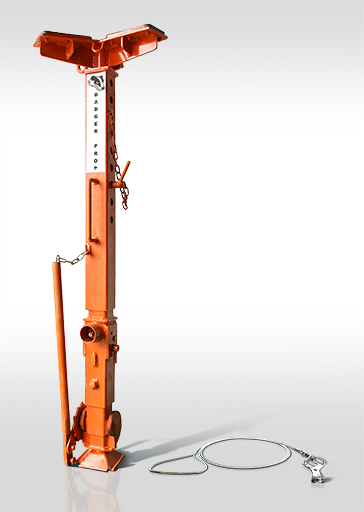
The design answer is remote release. A prop that can only be released from a safe distance by a pull cable — and cannot be released at the tensioning handle — removes the exposure rather than managing it with a procedure. Yielding models that absorb up to 100 mm of ground movement further reduce sudden load transfer in convergent ground.
See the Badger remote-release prop for how this is applied in practice.
3. Water, mud and slip-and-fall exposure
Water and mud cause two problems at once: they create slip hazards in travelling ways, and they force crews into manual cleaning tasks in confined, poorly lit areas. Both are avoidable with infrastructure rather than labour.
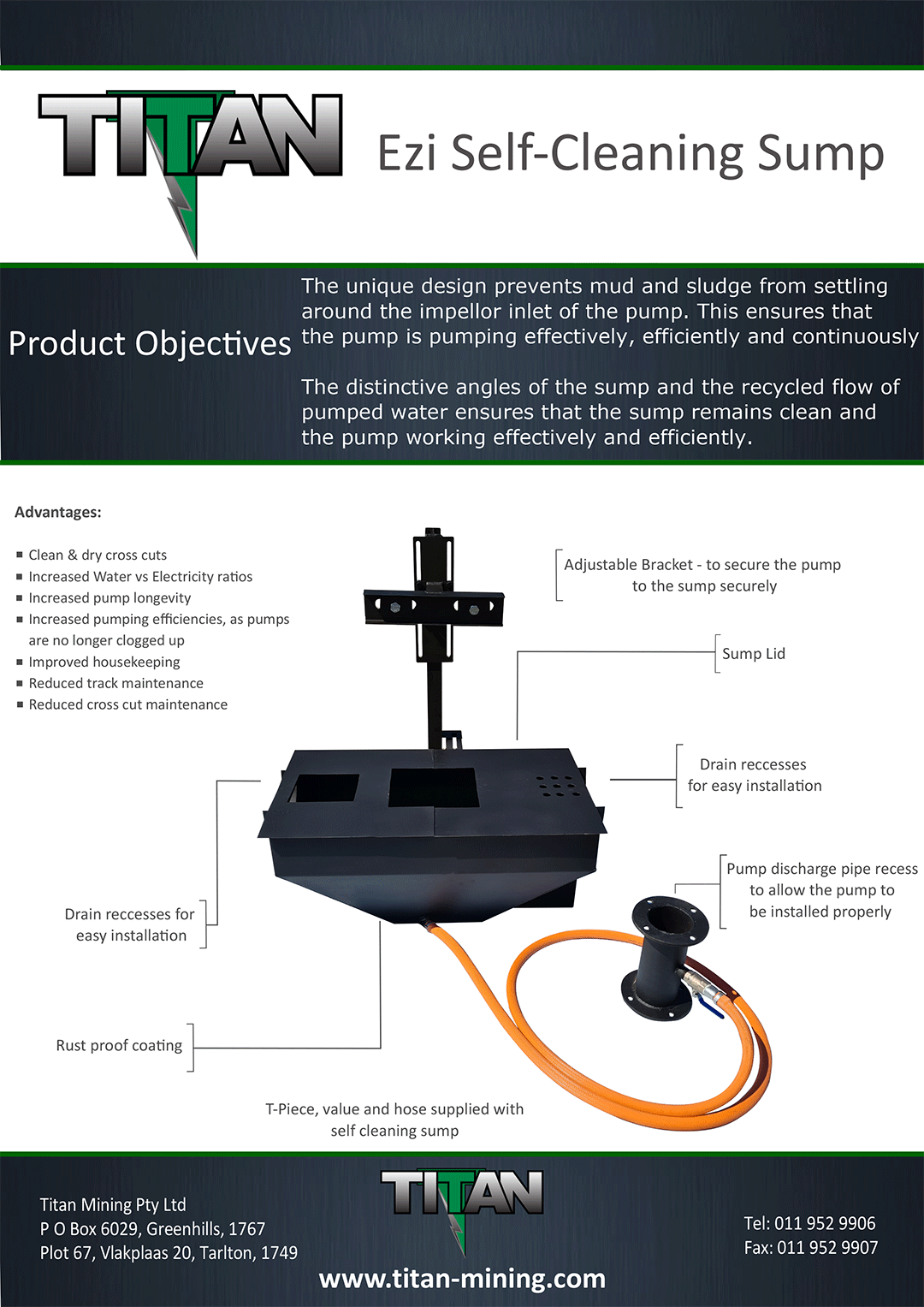
- Self-cleaning sumps remove the manual mucking task entirely.
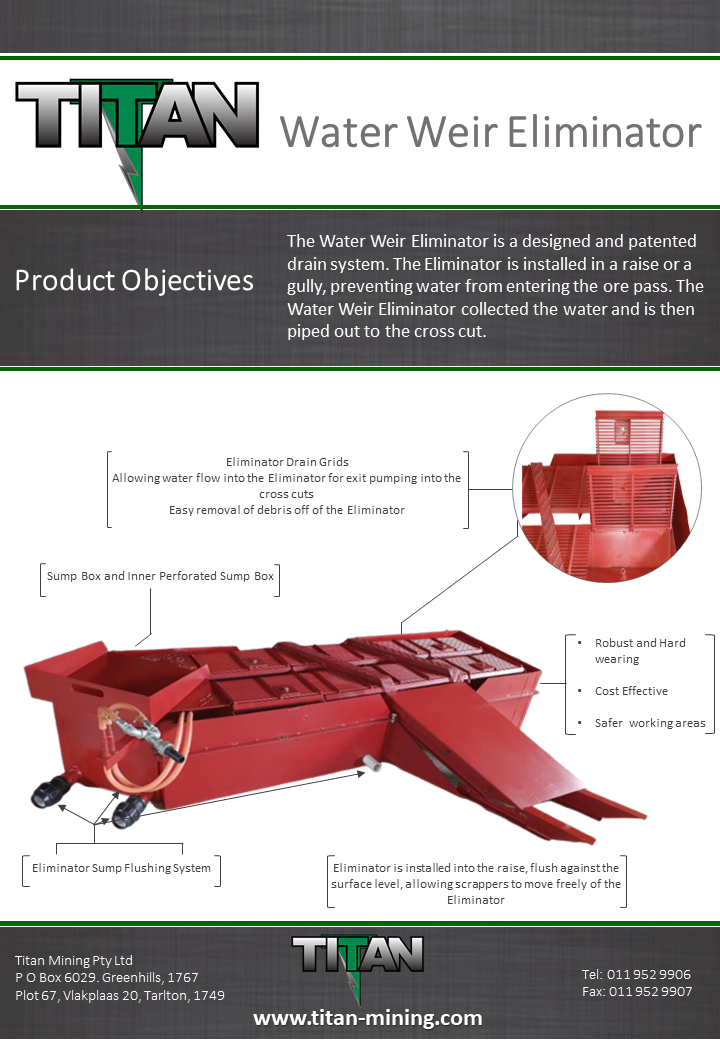
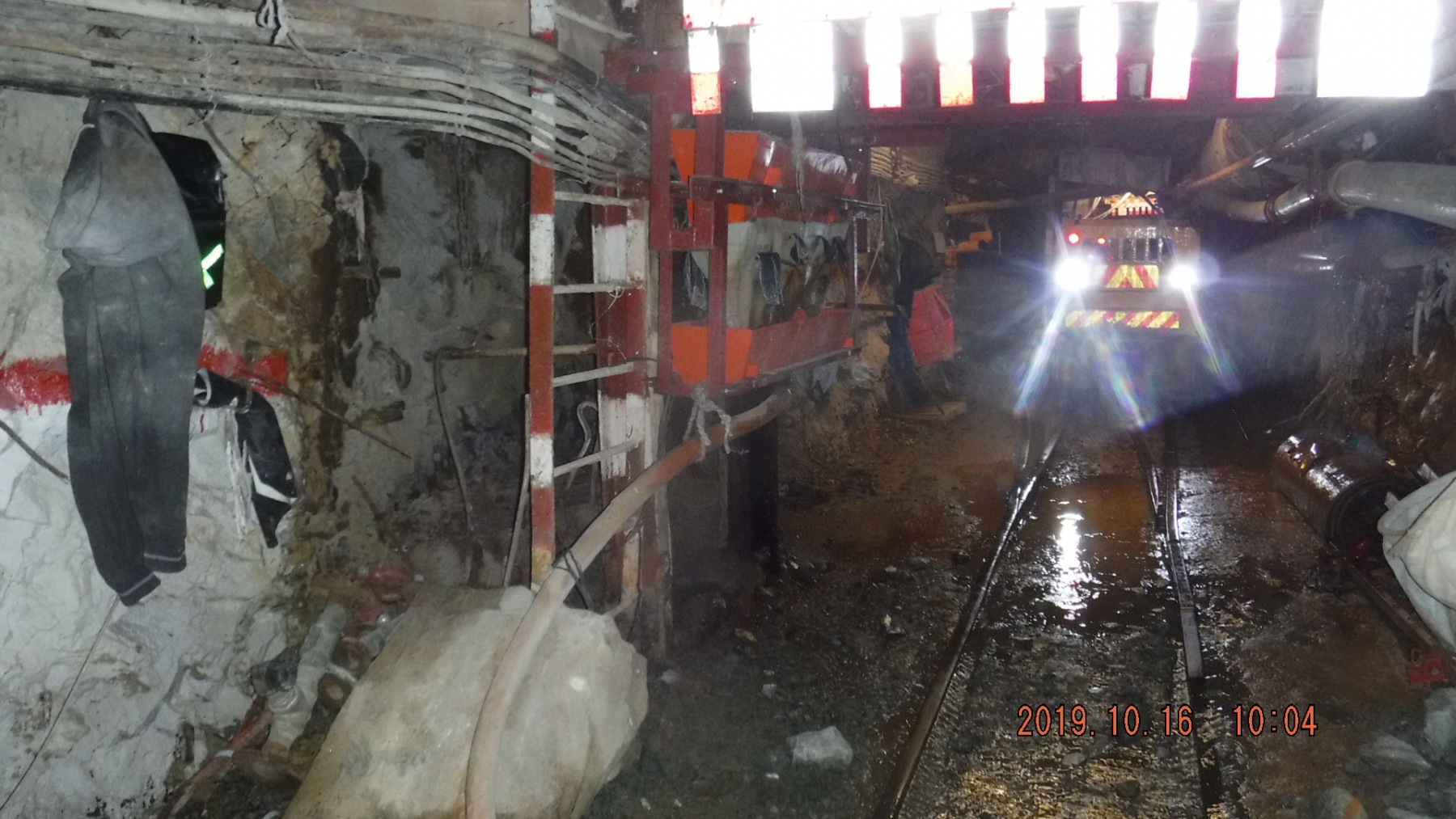
- Weir eliminators keep flow continuous instead of ponding at obstructions — see also the self-cleaning eliminator.
- Mud accumulators capture fines before they reach pumps and walkways.
- Spillage mats contain tipping and transfer-point losses at source.
4. Safe access: travelling ways and stairways
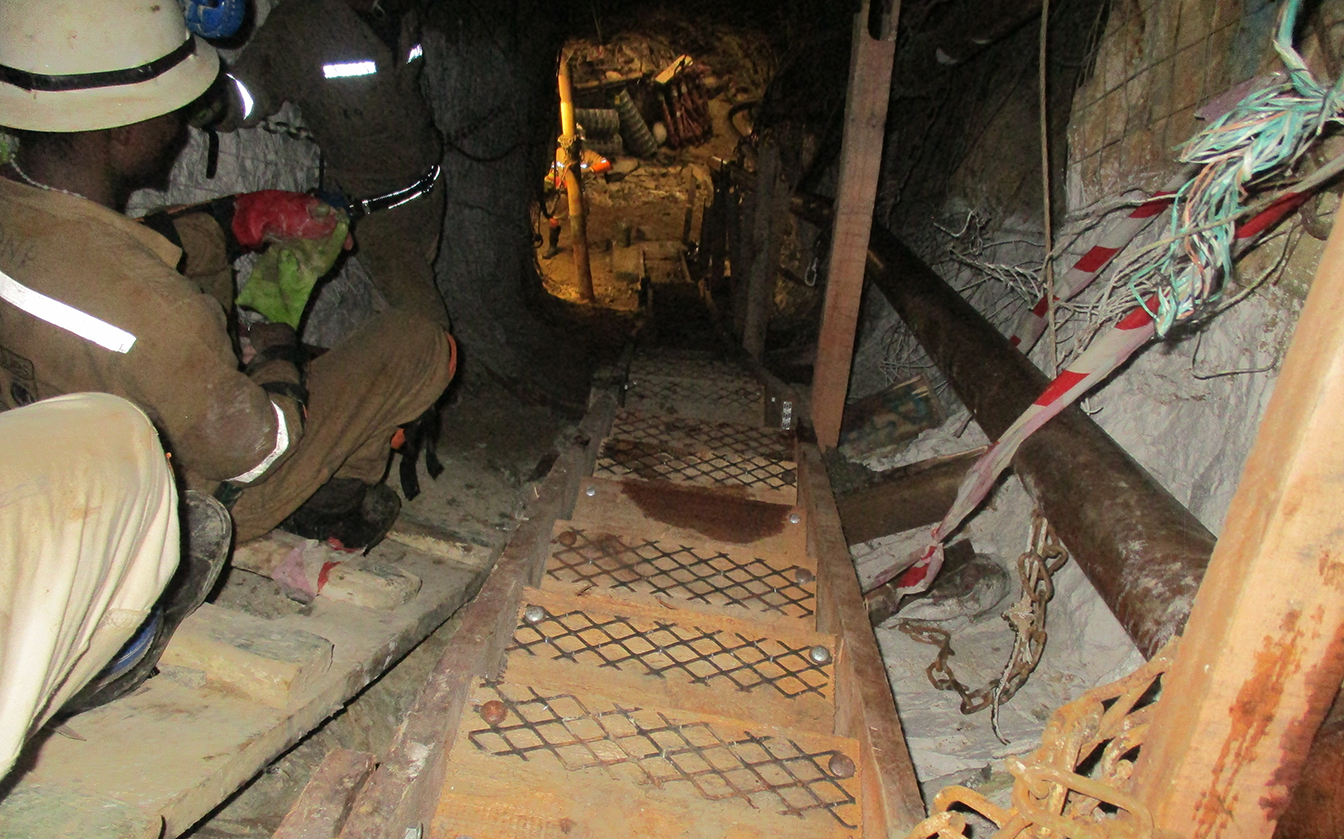
Gradients change as an excavation advances, and fixed stairways stop being level. An adjustable stairway that self-levels as the gradient changes keeps the tread angle within a safe range for the life of the travelling way, instead of relying on periodic rebuild.
5. Backfill discipline
Backfill is a regional support strategy, not a waste disposal exercise. Bag integrity, fill sequencing, water reticulation and barricade design all determine whether the fill mass carries load where it was designed to. Portable safety bags and a properly specified water reticulation system are the difference between a designed fill and a hopeful one.
6. Records that survive an audit
Keep these current and retrievable on request:
- Codes of practice, signed and version-controlled
- Baseline and issue-based risk assessments
- Daily entry examination and pre-shift inspection records
- Support-unit test certificates and load ratings
- Training, competency and PPE issue registers
- Incident investigations with closed-out corrective actions
7. A short pre-shift checklist
- Ground condition examined and barred down before entry
- Temporary support installed to the correct spacing and rating
- Remote-release cables rigged and clear of obstruction
- Travelling ways drained, lit and free of accumulated mud
- Ventilation and gas readings within limits
- Crew briefed on the day's specific ground and water conditions
Products referenced in this guide
 Video
VideoBadger Temporary Support Prop
Remote-release temporary support — patented safety innovation.
 Video
VideoEzi Self-Cleaning Sump
Recycled flow design keeps the pump impellor clear.
 Video
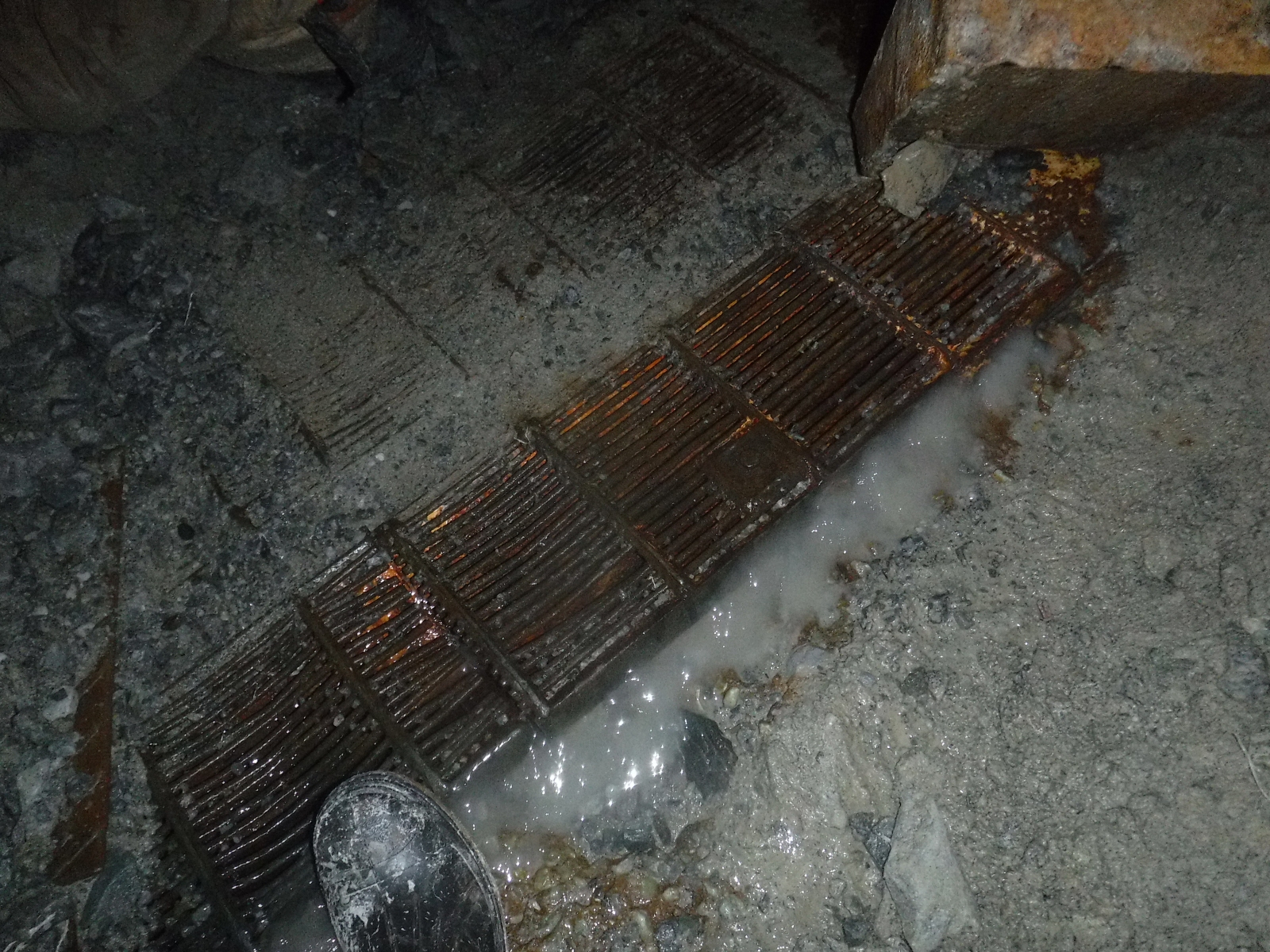
VideoWater Weir Eliminator
Patented drain system — keeps water out of the ore pass.
 Video
VideoSelf-Cleaning Eliminator
Regulated recycled flow keeps gutters and collection box clean.
 Video
VideoMud Accumulator
Keep cross-cuts clean beneath box fronts — patented spillage prevention.
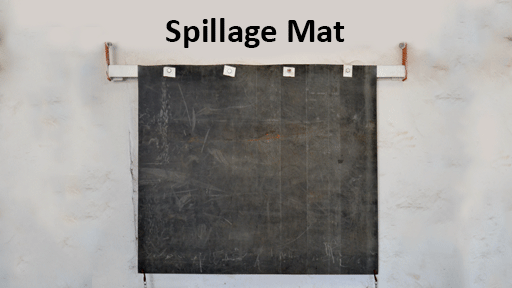
Spillage Mats
Stop ore overflowing hoppers — less shovelling, more tramming.
 Video
VideoAdjustable Stairway
Levels itself as the gradient changes — slip and fall protection for travelling ways.
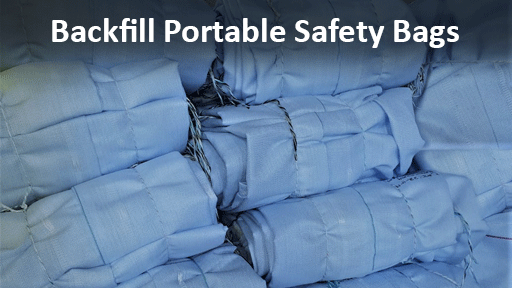
Backfill Portable Safety Bags
Portable spillage containment — eliminate skipped backfill lines.
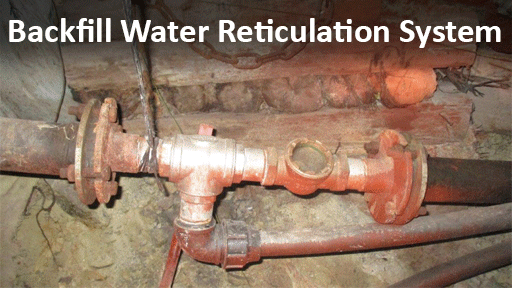
Backfill Water Reticulation System
Stops fines washing into cross-cuts — no massive box-front spillages.
Two decades in-shaft, a 240-strong workforce and patented safety equipment designed for South African hard-rock conditions. We'll walk your standards with you.